AI Pickup Lines in 2026 Clever Wingman or Chatfishing Trap
Pickup lines written by AI used to be a punchline. Now they’re a habit. The 2026 Singles in America study, released this fall by Match and the Kinsey Institute, surveyed nearly 5,000 U.S. singles and found that 39% have used AI in their dating lives. Among Gen Z it’s 67%. Last year’s edition reported 26% overall, so the jump is hard to ignore. Add a fresh buzzword, “chatfishing,” and the question gets uncomfortable: if a chatbot drafted your opener, who is your match really talking to? Here’s what the numbers say, what the apps are doing, and how to use AI pickup lines without losing your own voice.
From a Dog in a Trench Coat to Your Daily Wingman
It started as a joke. Back in 2021, AI researcher Janelle Shane asked several GPT-3 models to produce pickup lines and posted the results on her AI Weirdness blog. Some were sweet nonsense. One professed love to a dog in a trench coat. She later said she didn’t want to rerun the experiment, because smarter models would just copy human pickup lines, and those are famously terrible.
Five years later the joke has a price tag. Apps like WingAI and Wingman let you upload a screenshot of someone’s profile or chat and get openers and replies back, usually for a subscription fee. App store reviews are a mixed bag. People grumble about repetitive suggestions and paywalls, and that complaint says a lot. A tool that has never met your match tends to write lines anyone could have sent to anyone.
Today’s models are far better than GPT-3 ever was, no question. But a polished line still lands flat if it ignores what the other person actually wrote.
67% of Gen Z, 5% of Boomers: Who’s Really Flirting With a Chatbot’s Help?
Age splits the data more sharply than anything else. In the 2026 study, 67% of Gen Z singles have used AI in dating, against 46% of millennials, 24% of Gen X and just 5% of boomers. Men report more use than women, 47% to 30%.
A separate Match Group survey of about 1,000 singles aged 18 to 39, covered in June, adds some texture. Seventy-four percent said they use ChatGPT, and around 64% said AI helps them with profiles, starting chats or keeping them alive. Yet 47% have a negative view of AI in romance, and two in five wouldn’t date someone who uses an AI companion app. For women aged 18 to 24, that rises to 51%.
So people want a helper, not a replacement. Thirty-four percent call AI-altered photos a dealbreaker, and 30% object to someone handing over all their conversations to AI. Only 30% think AI could improve human connection, while 66% say it can’t replace it.
Is Hinge Already Writing Your First Message?
The dating apps aren’t sitting this out. Hinge launched Convo Starters in late 2025, which suggests openers based on a match’s photos and prompts. The target is obvious: the dreaded “how’s your day going?”
Tinder is leaning on matching. Match CEO Spencer Rascoff called its Chemistry feature a major pillar of Tinder’s 2026 product plans. Bumble went further on May 14, announcing it would phase out the swipe and bring in an AI assistant called Bee. Reporting suggests select markets could see it in the fourth quarter of 2026.
Most of this is about who you see, not what you say. Still, every app is chasing the same thing, which is the empty message box. And according to Bloomberg’s July reporting, none of them is screening for AI-written messages. Reliable detection doesn’t really exist yet.
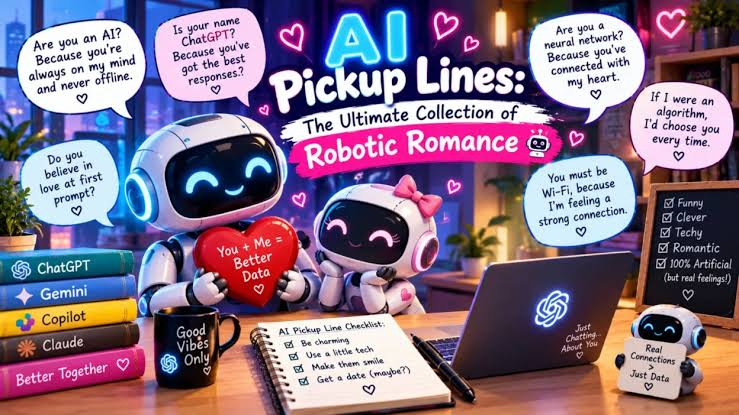
Chatfishing: Whose Line Is It Anyway?
Bloomberg cited a 5,000% spike in Google searches for chatfishing, meaning letting AI write your dating messages. Back in 2025, Norton found that 60% of online daters believed they’d already received an AI-written message. They might have been wrong sometimes. The suspicion alone changes how people read their inbox.
A 2026 study in Telematics and Informatics interviewed 45 dating-app users and called the phenomenon the “Cyrano effect.” People who used AI said it helped them express their real selves. People who received those messages and later found out felt tricked. An older experiment found that simply believing a profile was AI-assisted didn’t make it less attractive, but it did make the author seem less trustworthy.
My take: use AI like a friend who helps you brainstorm, not like a ghostwriter. Give it something specific from their profile, then rewrite whatever comes back so it sounds like you. If you wouldn’t say it out loud on a first date, don’t send it.
Compare “Are you a magnet? Because I’m feeling attracted” with “You’ve apparently reviewed every ramen place in town. Which one should I never skip?” The second works because it proves you actually read their profile. It doesn’t matter much who drafted it. Whatever gets sent, you’re the one who has to keep the conversation going afterward.
Quick Answers About AI Pickup Lines
Do AI pickup lines actually work?
No independent study has shown they beat human-written ones. Vendors such as WingAI claim better reply rates, but those numbers come from the companies themselves. Specific, personal openers will probably beat generic ones, whoever wrote them.
Can my match tell I used AI?
Not reliably. One study put human accuracy at about 57%, barely better than a coin flip. Still, recipients in the Cyrano research said overly polished language and generic content tipped them off.
Is it okay to use ChatGPT or Claude for flirting?
Most singles are fine with AI helping you brainstorm or tidy a message. The pushback starts when AI runs the entire conversation, which 30% of singles call a dealbreaker. There’s no agreed etiquette on disclosure yet.
The Line That Wins Is Still Yours
AI pickup lines are part of dating now, and that isn’t changing. But the data keeps saying the same thing: people want help getting started, not a stand-in. Let AI get you past the blank screen, then make the message yours. In the end, your match is replying to the person who shows up after the opener.
Read more