Tech Hub Yokohama Japan’s New Startup Playground
If you’ve been thinking about starting up in Japan, Tokyo probably dominates your shortlist. But another city on the same bay is making a serious case for itself. Tech Hub Yokohama opened on November 11, 2024, in the Minato Mirai 21 waterfront district, and 2026 has been its busiest year yet, with new events, a second cohort of the Yokohama Matching Program and a big R&D announcement from Ericsson just down the road. Ericsson said its new Yokohama R&D center would begin operations in April 2026. All of that raises a fair question: can this city really become a smarter alternative to Tokyo for global startups? Here’s a plain look at what tech hub yokohama is, who is behind it and what it offers.
A 300-person opening night and a very central address
Tech Hub Yokohama is run jointly by Yokohama City, Mitsubishi Estate and the Yokohama Future Organization. You’ll find it at 2-2-1 Minato Mirai, inside the 25th Street Gallery building on the grounds of Yokohama Landmark Tower, close to Sakuragicho station. More than 300 innovators turned up for the opening night, which tells you the city wasn’t treating this as a side project.
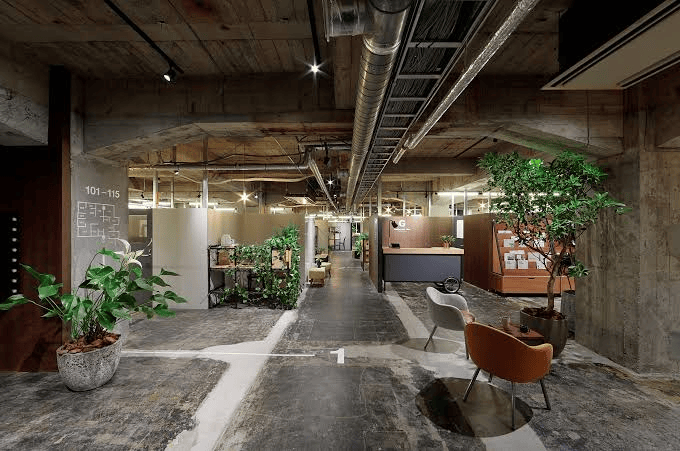
The space itself is open and modern, built so people bump into each other and start conversations. There’s also a dedicated area where startups can show off their technology, which is a smart touch for young companies that struggle to get in front of visitors. The motto keeps it simple: connect innovators and make things happen.
The hub also isn’t only a city project. Venture Cafe, a global innovation network with branches from Cambridge, Massachusetts to Tokyo, helps run the programming. So does The Drivery, a Berlin-based group that helps mobility startups connect with the auto industry.
What is the hub actually aiming for?
The stated goal is to produce unicorn-class startups, meaning companies valued at over a billion dollars. The focus areas are CleanTech and mobility, which makes sense in a region with a long manufacturing and automotive history.
Mayor Takeharu Yamanaka described the concept as “Tech and Global,” saying Yokohama can grow into a base for startups aimed at the world market. The most refreshing quote at launch, though, came from Akiko Yamaga of Mitsubishi Estate. She admitted that compared with Tokyo, creating unicorns is still a challenge and funding levels are lower. Her argument was that Minato Mirai’s concentration of R&D centers could help close that gap by putting researchers, engineers and founders in the same neighborhood.
What changed in 2026
The year opened with YOXO Festival 2026, held across Minato Mirai from January 30 to February 1. Entry was free, and the program mixed startup pitch events with hands-on technology exhibits. Tech Hub Yokohama was one of several venues, alongside places like Landmark Plaza and Queen’s Square.
Corporate activity has picked up too. The Yokohama Future Organization held its R&D Open Innovation Day 2026 and ran a tour of the Mazda R&D Center in Yokohama. Ericsson’s decision to place a new radio R&D center in Minato Mirai 21 sends a clear signal that big players want to do research here, and that is exactly the kind of neighbor a startup community needs.
The city is also sweetening the offer. It has put subsidies in place for startups, scaleups and advanced technology companies that lease office space in Yokohama, and applications for the 2026 Yokohama Matching Program, which links international startups with business opportunities in Japan, have opened. Yokohama also carries the national government’s Global Startup City designation.
The Boston connection
Right after the opening, MassRobotics held two afternoons of events at tech hub yokohama on November 12 and 13, 2024. One session covered assistive and age tech, and another looked at climate tech solutions. The effort was branded Boston X Yokohama, and it aims to build stronger ties between Japan and the United States in robotics, AI, mobility and climate technology.
What startups really get out of it
The first benefit is people. The hub has a work lounge where startup staff, venture capital investors and employees of partner companies can run into each other daily. During the trial period, organizers recruited members for the lounge specifically so that a real community would form.
The second is events. Venture Cafe’s format is built around regular, open gatherings where you meet new people every week, and its Yokohama Connect program aims to link the city’s companies and universities with startups from outside. Mentor company certification adds another layer, pairing newcomers with established firms.
For a founder arriving from abroad, though, the biggest asset may simply be credibility and a soft landing. City government, a major real estate developer and international supporters all sit under one roof, which makes it far easier for a stranger to get doors opened.
The honest downsides
The hub is still young. Tech Hub Yokohama has only been open for two years, and it can’t yet match the investor depth of Tokyo. The funding gap isn’t my opinion; the partners named it themselves at launch. Founders from overseas may also run into language and business culture hurdles that no event program fully removes.
Still, the direction is encouraging. The city isn’t betting on one building. Matching programs, subsidies, forums and R&D centers are forming a wider system, and the Deep Tech Forum Yokohama, held on March 7, 2025, is one example of it.
Questions people ask
Where is it?
In the Minato Mirai 21 district, inside the 25th Street Gallery building on the Yokohama Landmark Tower grounds. Sakuragicho station is the nearest.
Is it only for Japanese startups?
No. Tech Hub Yokohama is open to domestic companies and to those entering Japan from abroad, which is why international partners like Venture Cafe and The Drivery are involved.
Which industries does it focus on?
CleanTech and mobility stand out most, though robotics, AI and assistive technology have also had their own events.
Does it host big events?
Yes. The opening drew over 300 people, and it served as a venue during YOXO Festival 2026.
The bottom line
Tech Hub Yokohama isn’t a magic wand, but it is a solid foundation. If you work in CleanTech, mobility or robotics and want to understand the Japanese market, its events, partners and 2026 programs make a very reasonable place to start.