AI Mog Rating Is Your Face Score Even Real
I’ll admit it, I didn’t understand half the words in the screenshot my friend sent me. Her cousin had gotten an AI mog rating, he was bragging about being a “Chadlite,” and everybody in the group chat acted like that was obvious. It wasn’t, at least not to me. So I opened a few apps, read a pile of listings, and lost most of an evening. This is what I came away with.
What does “mog” even mean?
Looksmaxxing forums made the word popular. When one person mogs another, he simply looks better in a side by side comparison. Nothing deeper than that. Those forums used to be full of long threads where users zoomed in on jawlines, eye angles and cheekbones and argued for pages.
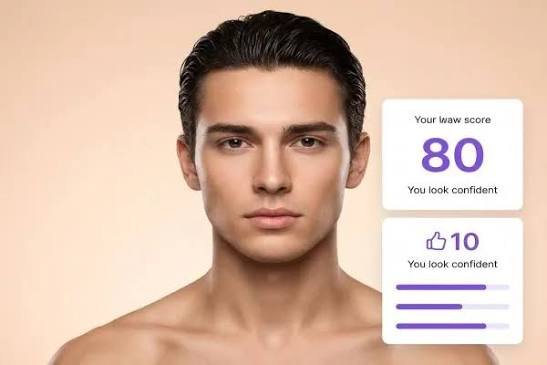
Apps now handle the arguing. You send in a selfie, wait a few seconds, and an AI mog rating comes back as a score or a tier. A free mogger test I found sorts people into Chad, Chadlite, Normie or LTN. Other tools use the PSL scale instead, which I’ll get to shortly.
So why is everyone talking about it?
Part of it is plain curiosity. Who doesn’t wonder how they look to strangers? An AI mog rating answers that in seconds, and that’s hard to resist. The rest is social media. Rating videos take two minutes to film, people love reacting to them, and the comment sections turn into friendly fights. Once a leaderboard or a face battle shows up, the whole thing feeds itself. That’s how a niche forum word landed on millions of phones.
What are these apps looking at?
Mostly symmetry, jaw shape, eye position and overall balance. A typical AI mog rating is built from exactly these things. MogRater grades six of them: jaw, eyes, cheeks, symmetry, hunter eyes and an overall mog score. It also places you on a global ranking against its other users. Then there’s Mog Wars, a mode where two faces go in and the AI picks the bigger mog. Goofy, sure, but I can see why people keep playing.
MogScore.ai takes a different approach. A free preview arrives in about five seconds and there’s no signup. Curious why you got your number? Credits unlock a longer report. It also lets you test a new haircut or hair color on your own photo before you visit a barber, and that was the one feature I’d actually use. What stood out most was a line on the site saying the analysis can be wrong and is meant for fun. I rarely see apps say that out loud.
The PSL scale sounds more serious than it is
Most apps that give an AI mog rating lean on PSL, a system born on looksmaxxing forums in the early 2010s. It grades a face in four areas, which are Harmony, Dimorphism, Angularity and Miscellaneous, and then places you somewhere between Sub3 and GigaChad.
Don’t confuse it with research, though. A community wrote it, and even apps that champion it call it fairly informal. Parts of it come from attractiveness studies, like symmetry and proportions, but nobody has put it through real testing. Every app also applies its own math. Mogged says it uses PSL calibrated scoring, while Umax and Looksmax AI work from scales of their own. Run one face through two apps and you can get wildly different answers, which says a lot about how far to trust one result.
A few apps worth knowing
The list keeps growing. MogRater allows one free rating a day and keeps a public leaderboard. Looksmax AI blends a PSL style score with advice on grooming, skincare and style, labeled softmax, and it also covers hardmax, meaning bigger long term changes to bone structure. Mogged appeared in April 2026 for people who care about PSL accuracy. Some websites let you test a face right in the browser with nothing to install.
One catch, though. Nearly every app claims its AI mog rating is the most accurate one, and the claim always comes from the app itself. I found no outside testing to back any of it up. Take any ranking, this one included, as a rough guide, and be wary of an app that calls itself the only honest option. That’s advertising.
How far can you trust an AI mog rating?
Not very far. An AI mog rating is a machine’s guess based on one narrow view of attractiveness. Hold the phone a bit closer, switch the lighting, tilt your chin or let a small smile through, and the score moves. Take three photos of the same face and compare the results. The models also seem to favor one particular look, and that ignores cultural differences and the huge range of faces people admire.
Does that make it worthless? No. Treat it as a joke among friends, or as a push to improve your photo quality, grooming or haircut, and nobody gets hurt. The problem begins once a single number starts deciding how you feel about yourself. That happens quicker than you’d think, especially late at night while you keep refreshing for a better score.
Think twice before uploading
Start with privacy. Some apps promise they don’t keep your photo, but that’s their word against nothing, so read the policy yourself. A review site also pointed to vague age rules and body image pressure on a few listings, which means younger teens should skip these apps entirely.
Then watch how it affects your mood. If a low score leaves you down or becomes an obsession, delete the app. You’re worth far more than what an algorithm says. And if it keeps bothering you, talk to someone you trust, because a face scan shouldn’t get that much say over your day.
Quick answers
Is an AI mog rating free?
The first one usually is. Many apps give you one free rating each day, while detailed reports cost credits or a subscription.
Is a mog rating the same as a PSL rating?
Close to it. PSL is the scale, and your mog rating is where you land on it. Apps use both terms for the same thing.
Can I raise my score?
Often you can. Good light, a straight angle, clear skin and a flattering haircut all help. Mostly that means a better photo, not a different face.
Is it safe to upload a selfie?
That depends on the app. Read its privacy policy, share as little as possible, and keep kids away from these tools.
The takeaway
An AI mog rating is a fun trend to share with friends, and that covers about everything it’s good for. It’s a single machine’s opinion, nothing more. Give it a try if you’re curious, pick up a grooming tip or two, then get on with your day. Feeling fine about yourself beats any score on a screen.